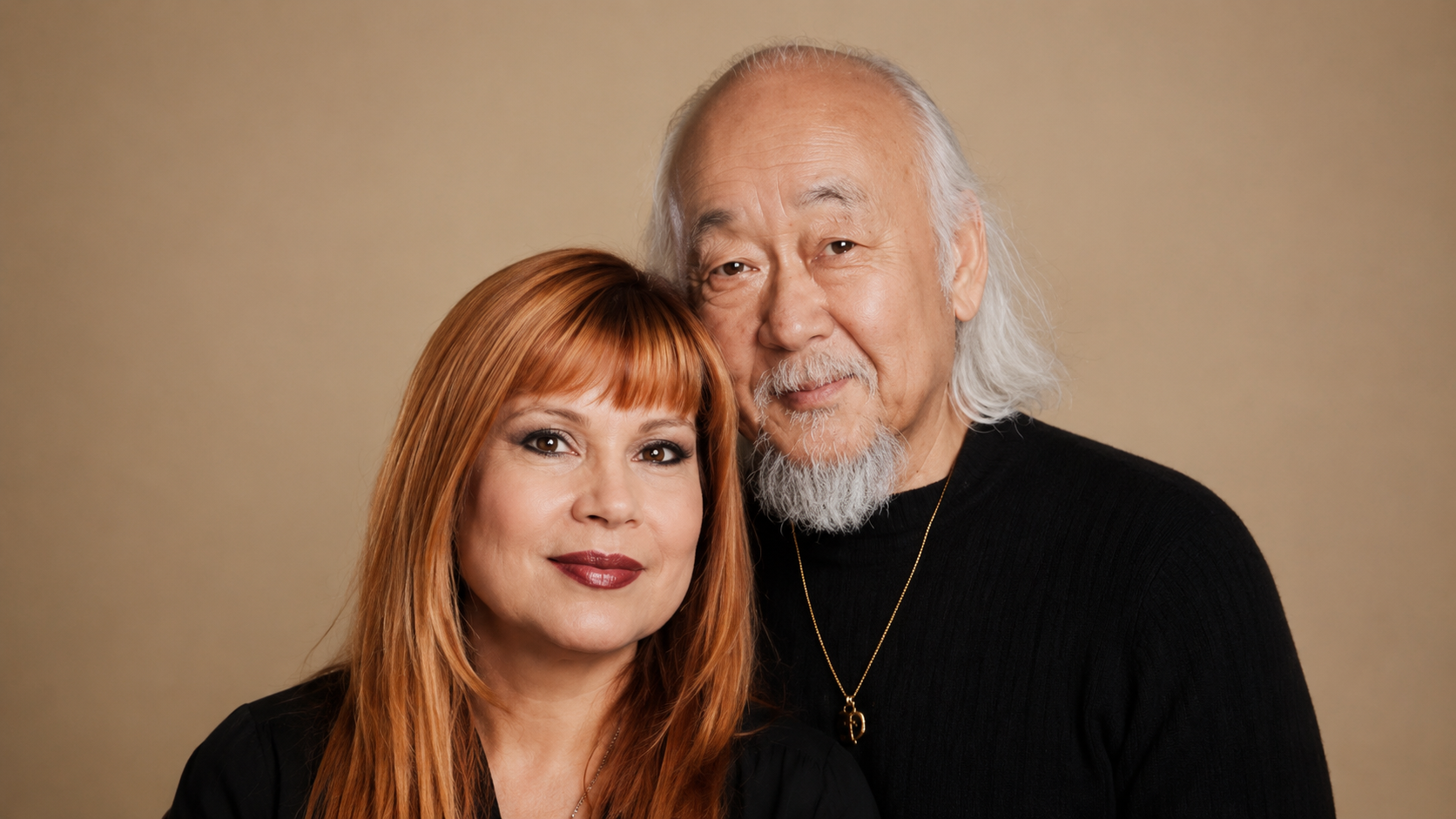
Introduction to Kathleen Yamachi
Kathleen Yamachi became known to the public because of her connection to legendary Japanese-American actor Pat Morita, but her own story carries importance far beyond celebrity association. Over the years, many readers have searched for information about Kathleen Yamachi because she represented a quiet yet meaningful presence during Morita’s early struggles before he achieved worldwide fame through films like The Karate Kid. Although she never lived publicly or embraced media attention, her role in Morita’s early adult life has remained an important topic among fans and entertainment historians.
Unlike many celebrity spouses whose lives become deeply connected with fame and publicity, Kathleen Yamachi reportedly preferred privacy, family life, and stability. Because she stayed away from interviews and Hollywood culture, much of the available information about her has been reconstructed through biographies, entertainment features, and historical discussions about Pat Morita’s personal journey. This mystery surrounding her life has increased public curiosity and made her a recurring subject in online searches related to Morita’s family, marriage history, and personal relationships.
Early Life and Family Background
Kathleen Yamachi is believed to have been born in California during the mid-1920s into a Japanese-American family. Her early life unfolded during a challenging period in American history when Japanese immigrant families faced discrimination, economic uncertainty, and social prejudice. Growing up during the Great Depression and the years leading into World War II likely shaped her personality and values in significant ways. Families from Japanese-American communities often emphasized discipline, education, resilience, and family unity as essential tools for survival and advancement in American society.
The experiences of Japanese-Americans during this period were especially difficult because anti-Japanese sentiment intensified during World War II. Many Japanese-American families faced relocation and internment following Executive Order 9066. While detailed records about Kathleen Yamachi’s direct experiences remain limited, historians often note that people from her generation lived through enormous social upheaval that permanently influenced their outlook on life. Her quiet personality and preference for privacy may partly reflect the cultural values and historical realities experienced by Japanese-American families during that era.
Meeting Pat Morita Before Fame
Kathleen Yamachi met Pat Morita years before he became a recognizable Hollywood figure. At the time, Morita was still working through the hardships that had defined much of his childhood and young adulthood. He had survived spinal tuberculosis as a child, spent years hospitalized, and endured Japanese-American internment during World War II. When Kathleen entered his life, Morita was still searching for stability and trying to determine his future career direction.
Their relationship reportedly developed through shared cultural understanding and mutual support. Both came from Japanese-American backgrounds and understood the pressures faced by immigrant families in post-war America. Before his entertainment career took shape, Morita worked in family-run businesses and struggled financially while exploring comedy and public performance opportunities. Kathleen reportedly became an important emotional support system during this uncertain stage of his life, helping him navigate both personal and professional challenges.
Marriage and Married Life
Kathleen Yamachi and Pat Morita married on June 13, 1953, beginning a partnership that lasted for more than a decade. Their marriage started long before Morita found success in Hollywood, meaning their daily lives were centered around ordinary responsibilities rather than celebrity culture. The couple reportedly lived modestly and worked hard to create financial stability while building a family together. Like many young couples of the 1950s, they focused on practical concerns including work, budgeting, housing, and raising children.
During their marriage, Kathleen reportedly handled much of the household management while Morita experimented with comedy performances and business ventures. Early entertainment careers often involved unstable income, late-night performances, and uncertain opportunities, which placed additional stress on family life. Writers discussing Morita’s biography frequently suggest that Kathleen’s steady presence and practical mindset helped create balance during years when his professional future remained unpredictable. Her support likely played a meaningful role in allowing Morita to continue pursuing his ambitions despite repeated setbacks and limited opportunities for Asian-American entertainers at the time.
Raising a Family Together
Kathleen Yamachi and Pat Morita reportedly shared children during their marriage, with some sources identifying their daughter as Erin Morita. Although exact details about their family remain somewhat inconsistent because of Kathleen’s private lifestyle, most biographies agree that family responsibilities became a major part of her daily life. She was often described as deeply family-oriented and committed to maintaining a supportive environment for her children while Morita pursued his career goals.
Parenting during the 1950s and 1960s carried particular challenges for Japanese-American families attempting to rebuild economic security after wartime discrimination. Many families prioritized education, discipline, and cultural respect while simultaneously encouraging their children to integrate into broader American society. Kathleen Yamachi reportedly embraced these traditional values, focusing on household stability and emotional support. While Morita increasingly pursued entertainment opportunities outside the home, Kathleen’s contributions reportedly ensured that the family structure remained grounded and functional during difficult periods.
Pat Morita’s Early Career Struggles
Before becoming famous, Pat Morita faced enormous obstacles in the entertainment industry. Asian-American actors during the 1950s and 1960s were frequently limited to stereotypical or secondary roles. Opportunities for meaningful representation were extremely rare, and comedians of Asian descent often struggled to gain mainstream recognition. Morita initially worked small comedy clubs and local performance circuits while attempting to build a reputation as a performer. Kathleen Yamachi reportedly witnessed these struggles firsthand and supported him through years of uncertainty.
Financial instability was a recurring challenge during Morita’s early entertainment years. Comedy performances rarely provided consistent income, and actors frequently balanced multiple side jobs while searching for opportunities. Kathleen reportedly contributed to household finances through clerical and bookkeeping work while continuing to manage family responsibilities. Her willingness to help maintain financial stability likely allowed Morita additional freedom to continue pursuing comedy and acting during periods when success seemed distant and uncertain.
Transition Toward Hollywood Success
As the 1960s progressed, Pat Morita gradually began finding recognition in television and comedy. He appeared in stand-up performances and eventually secured opportunities in television programs that expanded his visibility within the entertainment industry. His unique comedic style and relatable personality helped him stand out during an era when Asian-American performers remained significantly underrepresented in mainstream media. Kathleen Yamachi reportedly observed these early professional developments while continuing to maintain a private and grounded lifestyle.
Morita’s eventual breakthrough in television created new professional momentum that later led to larger film opportunities. However, the pressures associated with increasing fame, professional demands, and evolving personal ambitions may also have influenced the couple’s relationship. Although public records do not provide extensive details regarding tensions within the marriage, biographies often note that career transitions can create emotional and practical challenges for families adjusting to changing circumstances and responsibilities.
Divorce and Separation
Kathleen Yamachi and Pat Morita divorced in 1967 after approximately fourteen years of marriage. Unlike many celebrity separations that become highly publicized, their divorce remained relatively private and respectful. Kathleen’s commitment to avoiding media attention meant that she never publicly discussed the reasons behind the separation, and Morita himself rarely shared detailed commentary about the marriage in public interviews.
The end of their marriage marked a major turning point in both of their lives. Morita continued pursuing his acting career and eventually achieved international fame, while Kathleen reportedly focused on personal independence, family responsibilities, and private life away from Hollywood. This contrast between Morita’s growing celebrity and Kathleen’s continued anonymity has remained one of the most fascinating aspects of her story. Even after the divorce, many writers continued acknowledging her importance during the difficult formative years of Morita’s journey.
Life Away from Public Attention
Following her divorce from Pat Morita, Kathleen Yamachi reportedly chose to maintain an extremely private lifestyle. Unlike many former celebrity spouses who later write memoirs, appear in documentaries, or participate in interviews, Kathleen remained almost entirely absent from public media. This deliberate privacy has contributed significantly to the mystery surrounding her life and personality.
Reports suggest that Kathleen continued working ordinary professional jobs and spent much of her later life focusing on family and personal interests. Some accounts mention hobbies such as gardening, reading, and maintaining close relationships with relatives and friends. Because she never attempted to profit from her association with Morita, many readers view her as someone who valued dignity, independence, and simplicity over fame or public recognition. Her quiet life has become an important part of how people remember and describe her character today.
Kathleen Yamachi and Japanese-American Cultural History
Although Kathleen Yamachi was not a celebrity herself, her life reflects broader themes within Japanese-American history. She belonged to a generation shaped by immigration struggles, wartime discrimination, economic rebuilding, and cultural adaptation in twentieth-century America. Women from Japanese-American families often played critical roles in maintaining family stability while navigating social prejudice and economic hardship. Kathleen’s life story fits within this larger historical context.
Her relationship with Pat Morita also connects her to the evolving representation of Asian-Americans in entertainment. Morita eventually became one of the most respected Japanese-American actors in Hollywood history, helping break stereotypes and expand visibility for Asian performers. Kathleen’s support during his early years indirectly contributed to a career that later influenced generations of actors and audiences. Even though her own name remained largely unknown to mainstream audiences, her presence during Morita’s formative struggles holds meaningful cultural significance.
Pat Morita’s Legacy and Kathleen’s Role
Pat Morita’s performance as Mr. Miyagi transformed him into an international icon and earned him an Academy Award nomination. Audiences admired his warmth, humor, wisdom, and emotional depth, while many Asian-American viewers saw his success as an important milestone for representation in Hollywood. As discussions about Morita’s life continue, Kathleen Yamachi’s name frequently appears because she shared many of the difficult years that preceded his rise to global fame.
The story of Kathleen Yamachi reminds readers that public success is often built upon unseen personal relationships and sacrifices. Behind many successful performers are individuals who provide emotional support, financial stability, encouragement, and practical help during periods of uncertainty. Kathleen’s life illustrates the experiences of countless spouses whose contributions remain mostly invisible within celebrity culture, despite their importance to the journeys of well-known figures.
The Lasting Legacy of Kathleen Yamachi
Kathleen Yamachi’s legacy is rooted not in celebrity status but in resilience, privacy, loyalty, and quiet strength. She lived through difficult historical periods, supported her family during uncertain times, and maintained dignity despite being connected to a major Hollywood figure. Her refusal to seek fame or exploit public curiosity has made her story feel both mysterious and admirable to many readers researching Pat Morita’s personal history.
Today, Kathleen Yamachi remains remembered as an important chapter in the life of Pat Morita and as a representative of many Japanese-American women whose contributions often went unnoticed by the broader public. Her story continues attracting interest because it reflects deeper themes of perseverance, cultural identity, family commitment, and emotional support behind public success. Even without interviews, memoirs, or public appearances, Kathleen Yamachi’s presence within Morita’s journey ensures that her name continues to hold lasting historical and personal significance.
Conclusion
Kathleen Yamachi remains an important yet largely private figure connected to the life story of Pat Morita. While she never pursued fame or public recognition, her role during Morita’s early struggles and formative years continues to attract attention from fans and researchers interested in his personal journey. From supporting him before Hollywood success to maintaining family stability during difficult times, Kathleen represented quiet strength, resilience, and dedication behind the scenes.
Her story also reflects the broader experiences of many Japanese-American families who faced cultural challenges, financial hardship, and social discrimination during the twentieth century. Even though limited public information about her exists, Kathleen Yamachi’s legacy continues through discussions surrounding Pat Morita’s remarkable career and personal life.