Introduction
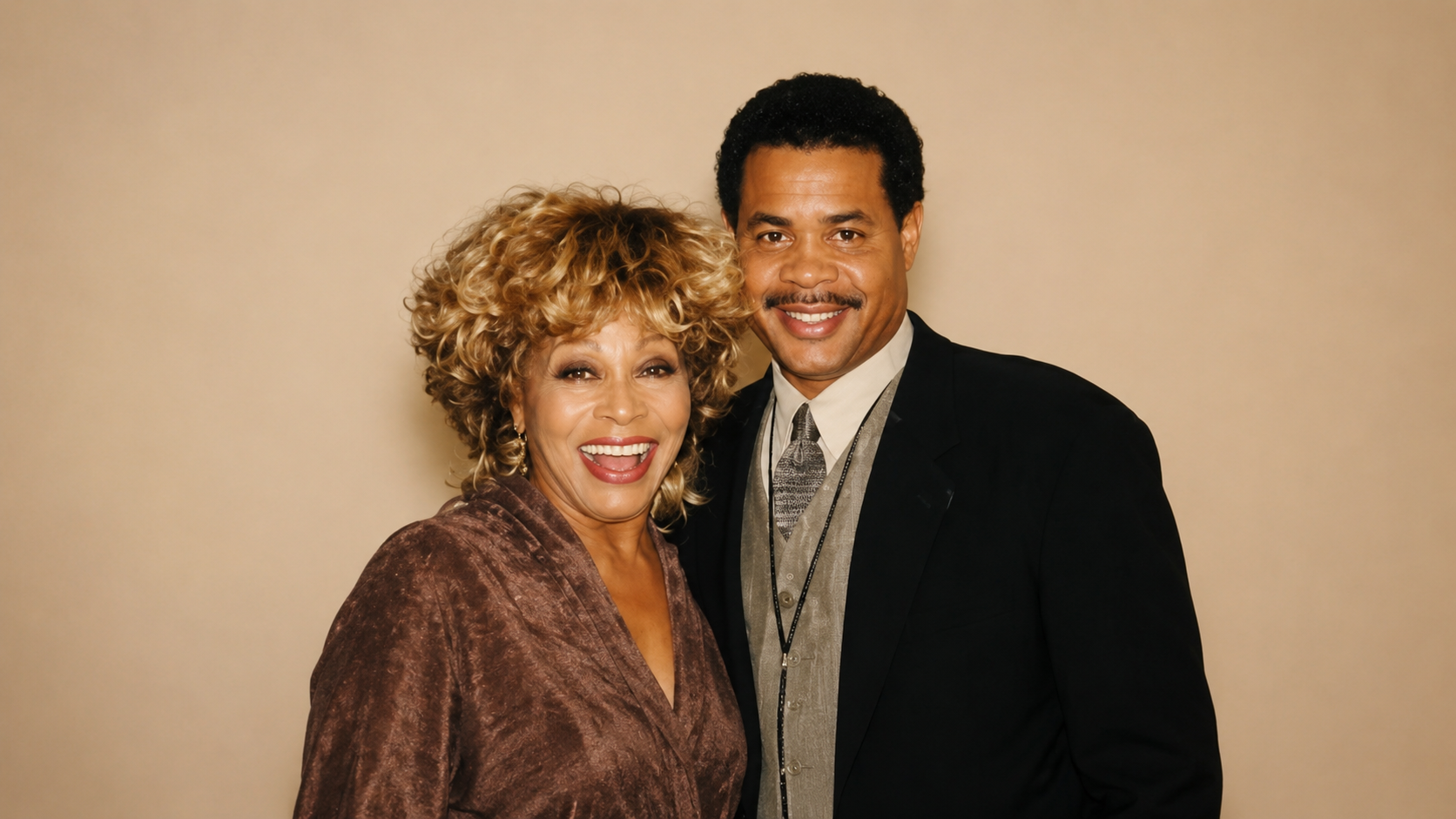
Raymond Craig Turner, also known as Craig Raymond Turner, is remembered primarily as the eldest son of legendary American singer Tina Turner. Unlike his world-famous mother, Craig lived a quiet and private life away from the entertainment industry, choosing stability over fame and avoiding public attention throughout most of his adulthood.
Born into a complex family history involving music, fame, and personal struggle, Craig Turner’s life reflects the hidden emotional cost of celebrity families. His story is not defined by public achievements but by his personal journey, his relationship with his mother, his private career in real estate, and his tragic death in 2018.
Early Life and Birth Background
Craig Raymond Turner was born on August 29, 1958, in the United States. His biological father was saxophonist Raymond Hill, a musician associated with early rhythm and blues bands. At the time of his birth, Tina Turner was only a teenager beginning her journey in music and life.
Craig’s early childhood was shaped by instability and uncertainty. His mother was still building her career and later entered a relationship with musician Ike Turner, who would later adopt Craig and give him the Turner surname. This early environment created a blended family structure filled with both musical influence and emotional turbulence.
Childhood in a Complex Household
Craig Turner grew up in a household that combined fame, creativity, and serious personal conflict. His mother’s relationship with Ike Turner brought professional success but also introduced a deeply troubled domestic environment that affected all children in the household.
Craig was still a young child when the tensions in the family escalated. Tina Turner later revealed that her marriage was marked by abuse and emotional distress. As a sensitive child, Craig was deeply affected by the instability he witnessed at home, which shaped his emotional development in ways that followed him into adulthood.
Relationship with His Biological Father
Craig’s biological father, Raymond Hill, was a talented saxophonist who played with the Kings of Rhythm. However, Hill was not heavily involved in Craig’s upbringing, which meant Craig spent most of his early life under the care of his mother and later his adoptive father, Ike Turner.
The absence of a consistent biological father figure contributed to Craig’s complex emotional environment. While Raymond Hill’s musical legacy remained part of Craig’s identity, the lack of a stable paternal relationship played a significant role in his childhood experiences and sense of belonging.
Adoption and the Turner Family Structure
After Tina Turner married Ike Turner, Ike adopted Craig and raised him as his own son. This changed Craig’s surname and officially made him part of the Turner family unit, which also included other children from different relationships.
The Turner household was a blended and complicated family system, where music, fame, and personal conflict coexisted. Craig grew up alongside half-siblings, including Ike Turner Jr., Michael Turner, and Ronnie Turner. Each child experienced the pressures of being part of a famous yet emotionally strained family.
Emotional Impact of Childhood Trauma
Craig Turner’s childhood environment has often been discussed in terms of emotional trauma and psychological stress. Growing up in a household where abuse and conflict were present had a long-lasting impact on his emotional well-being.
Tina Turner herself later reflected on how her difficult marriage affected her children. Craig, in particular, was described as a sensitive and introspective child who internalized much of the stress around him. These early experiences likely influenced his quiet personality and preference for privacy in adulthood.
Education and Early Independence
As Craig Turner grew older, he pursued a relatively normal educational path compared to the fame surrounding his family. He did not enter the entertainment industry, nor did he seek public recognition. Instead, he focused on building a life independent of his family’s celebrity status.
During his early adulthood, Craig made a significant decision to join the U.S. Navy. This step represented a desire for discipline, structure, and independence away from the emotional complexity of his family life. Military service provided him with stability and a clear direction during a formative stage of life.
Military Service Experience
Craig Turner’s time in the military helped shape his sense of responsibility and independence. The structure of military life offered a contrast to his unpredictable childhood environment and allowed him to develop personal discipline.
Although detailed records of his service are limited, it is known that Craig completed his service honorably and later transitioned into civilian life. His experience in the Navy is often viewed as a defining period that helped him establish a more grounded and private lifestyle.
Career in Real Estate
After leaving military service, Craig Turner entered the real estate industry in California. He worked as a real estate agent in the San Fernando Valley, where he built a modest and stable career.
Unlike his mother, who was a global superstar, Craig’s professional life remained low-profile. He was not involved in entertainment or media, choosing instead to focus on practical work that allowed him to maintain privacy and independence.
Work Ethic and Private Lifestyle
Craig was known for maintaining a quiet professional reputation. His work in real estate involved helping clients buy and sell properties, a career that required communication skills, patience, and market understanding.
Despite being the son of a famous singer, Craig did not use his family name for publicity or advantage. Instead, he maintained a grounded approach to his career, preferring to stay out of the spotlight entirely.
Relationship with Tina Turner
The relationship between Craig Turner and his mother, Tina Turner, was deeply emotional and complex. While there was love between them, their bond was shaped by years of separation, trauma, and the impact of Tina’s abusive marriage.
Tina Turner later admitted that she often felt guilt regarding her son’s emotional struggles. She reflected on how her difficult marriage and career demands affected her ability to fully support Craig during his formative years. Despite this, she remained emotionally connected to him throughout his life.
Emotional Distance and Reconnection
As Craig became an adult, his relationship with his mother remained private but significant. They were not constantly in the public eye together, but they maintained communication and emotional ties over the years.
Tina Turner later described Craig as a deeply emotional person who carried the weight of his childhood experiences. Although their relationship was not always close in a traditional sense, there was an underlying bond that remained until his death.
Personality and Private Nature
Craig Turner was widely described as a quiet, reserved, and introspective individual. Unlike many celebrity children, he avoided media attention and rarely appeared in public events related to his mother.
His personality reflected a desire for stability and separation from fame. He built a life centered on privacy, work, and personal independence, choosing not to engage with the entertainment world that defined his family’s legacy.
Life Away from Fame
Living in California, Craig maintained a normal lifestyle despite his connection to one of the most famous singers in history. He focused on his real estate career and avoided interviews, publicity, or media exposure.
This separation from fame allowed him to create a personal identity outside of his family name. However, it also meant that much of his life remained undocumented and private, known only through limited public records and family statements.
Mental Health and Emotional Struggles
Craig Turner’s emotional struggles have been widely discussed following his death. While he did not publicly speak about mental health issues, family accounts suggest that he carried long-standing emotional pain related to his childhood experiences.
Experts often note that individuals exposed to early-life trauma may struggle with emotional regulation and internal stress later in life. Craig’s story is frequently viewed within this broader psychological context, although no official diagnosis was ever made public.
Tragic Death in 2018
On July 3, 2018, Craig Raymond Turner died at the age of 59 in Studio City, California. His death was ruled a suicide caused by a self-inflicted gunshot wound.
The news of his death shocked fans around the world, especially those who followed Tina Turner’s life and career. At the time, Tina Turner was in Europe attending a fashion event when she received the devastating news.
Tina Turner’s Grief and Response
Following the death of her son, Tina Turner expressed deep sorrow and emotional pain. She later shared reflections about Craig’s struggles and her own feelings of loss and regret.
Tina later scattered Craig’s ashes into the Pacific Ocean off the coast of California, symbolizing a final farewell. This act was described as a deeply emotional moment in her life, marking one of the most painful personal experiences she endured.
Family Legacy and Other Siblings
Craig Turner was part of a larger family that included several siblings from Tina and Ike Turner’s relationship. His half-brothers included Ike Turner Jr. and Ronnie Turner, both of whom also faced personal challenges throughout their lives.
The Turner family story is often discussed in terms of both musical legacy and emotional hardship. Each member of the family experienced fame in different ways, but also shared the complexities of growing up in a turbulent environment.
Impact of the Turner Family Story
The Turner family has become symbolic of the dual nature of fame—success paired with personal struggle. Craig Turner’s life represents the private side of this legacy, where emotional pain is often hidden behind public recognition.
His story highlights the importance of understanding how childhood environments shape adult lives, especially within families affected by fame, pressure, and instability.
Legacy of Raymond Craig Turner
Although Craig Turner did not pursue fame or public recognition, his life remains an important part of Tina Turner’s personal history. His story is often remembered in discussions about celebrity families and the unseen emotional challenges they face.
Craig’s legacy is not defined by public achievements but by his humanity, his quiet life, and the emotional depth of his personal journey. His story continues to be part of the broader narrative of the Turner family.
Conclusion
Raymond Craig Turner lived a life far removed from the spotlight of his mother, Tina Turner. He chose privacy, independence, and a quiet career path, yet his life was deeply shaped by early emotional experiences and family complexity.
His tragic death in 2018 brought attention to the hidden struggles within celebrity families and reminded the world that fame does not protect against emotional pain. Craig Turner’s story remains a powerful example of the human side of a legendary family legacy.